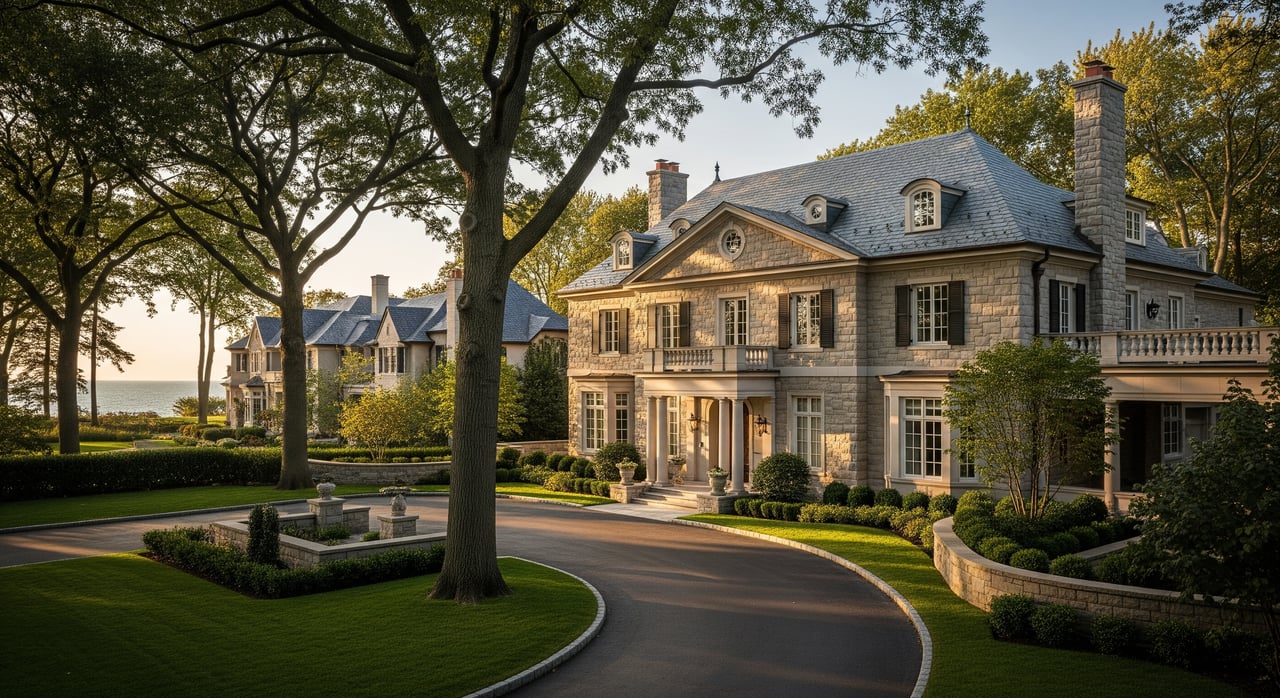
What Is a CMA? Lake Forest Home Pricing Guide
December 4, 2025
December 4, 2025
Are you wondering what your Lake Forest home is really worth right now? Setting the right price can feel uncertain, especially with so many micro-markets across the North Shore. A comparative market analysis, or CMA, gives you a clear, data-driven view so you can price with confidence and attract the right buyers. In this guide, you’ll learn what a CMA is, how it’s built for Lake Forest single-family homes, and which local factors can change the number. Let’s dive in.
A comparative market analysis is an agent-prepared estimate of a home’s market value based on similar recent sales, current competition, and buyer activity. You use it to set a smart list price as a seller or to craft a competitive offer as a buyer. It is an analytical marketing tool that reflects current market conditions and an agent’s expert judgment.
A CMA is not a guarantee of final sale price. It is an informed estimate that helps you position your property or offer in today’s market.
Most CMAs for Lake Forest single-family homes include:
A CMA and an appraisal are not the same. A lender appraisal follows formal standards and formats for mortgage underwriting. Appraisers follow USPAP, the Uniform Standards of Professional Appraisal Practice. If you want to learn more about the appraisal framework, review the resources from The Appraisal Foundation.
A CMA is prepared by a licensed real estate professional to help you make pricing and marketing decisions. It does not replace a lender appraisal during financing.
Creating a strong CMA for Lake Forest single-family homes follows a step-by-step process that blends data with local insight.
Your agent defines the home’s key features that affect value:
Agents verify property details using the local MLS, Midwest Real Estate Data, tax records from the Lake County Assessor, and municipal permits or zoning from the City of Lake Forest.
The best comps are recent closed sales of similar single-family homes. In faster segments, agents look at the last 3 to 6 months. In thinner or luxury segments, they may extend to 6 to 12 months and then adjust for market direction.
For Lake Forest, geographic distance is not enough. You prioritize micro-market factors like school attendance areas, proximity to Lake Michigan or Metra, and lot size or estate character. Pending and active listings show your current competition. Withdrawn or expired listings help identify pricing that did not work.
Atypical sales, like distressed or estate transactions with unusual terms, are either excluded or adjusted carefully.
Your agent adjusts each comp to mirror your home as closely as possible. Common Lake Forest adjustments include:
Agents may use a blended approach with $ per square foot plus itemized dollar adjustments. With large estates or architecturally significant homes, strict $ per square foot comparisons become less reliable, so the emphasis shifts to truly comparable estates or per-acre valuation in certain pockets.
After adjusting each comp, the agent reconciles the results into a tight value range and suggests a specific list price. They also outline a pricing strategy and forecast likely outcomes under three scenarios: aggressive, market, and conservative.
Here is a hypothetical example for illustration only. If three adjusted comps indicate $1.20M, $1.35M, and $1.28M, a recommended list price might be $1.295M with a review after 2 to 4 weeks. This example shows how the process works. It is not a statement about current Lake Forest prices.
Lake Forest is a mosaic of distinct pockets, and small differences can change what buyers are willing to pay.
Historic downtown, lakefront corridors, mid-century areas, and more rural estate subdivisions often behave like different markets. You match comps by neighborhood character, school attendance area, and lifestyle attributes, not just by distance.
Proximity to Lake Michigan typically carries a premium. Direct waterfront or lake access properties form a separate comp set. Even small differences in walking distance or view can influence price.
School attendance areas shape demand patterns on the North Shore. Many buyers are commuters who value Metra access, while others prioritize lot size or privacy. Your CMA should reflect these preferences in comp selection.
If a home is architecturally notable or carries preservation covenants, it appeals to a distinct buyer pool. Comps should come from similar stock, and any restrictions on modifications should be factored into pricing.
Acreage and buildable potential are major differentiators. Estate parcels may require per-acre analysis or a distinct comp set. Smaller infill lots attract different expectations on updates and outdoor space.
Spring and early summer are often the busiest listing seasons in the North Shore. Tight supply in desirable pockets can produce multiple offers. Seasonal timing and current inventory shape your strategy.
Lake County property taxes, reassessment timing, and available exemptions can influence affordability and net proceeds. Title or land-use issues like floodplain, conservation easements, or restrictive covenants also affect value. Verify details with the Lake County Assessor and the City of Lake Forest.
Use your CMA to guide, but pair it with smart preparation.
For broader context on pricing methods and market dynamics, explore guidance from Illinois REALTORS and NAR Research.
A seller’s CMA is helpful, but you should review the data independently.
Be cautious of these common mistakes.
You deserve a clear, local, and practical plan. With nearly two decades of North Shore experience, a Lake Forest-based team, and polished marketing resources, you get:
If you want a clear read on value, the right comps, and a plan that fits your goals, let’s talk. Schedule your no-obligation consult with Hasselbring Partners, your Lake Forest advisors for pricing, preparation, and polished presentation.
Stay up to date on the latest real estate trends.



At Hasselbring Partners, we value relationships, both with clients and within the community. Flor's reputation and longstanding presence in the North Shore area attest to our dedication to building trust and delivering exceptional results. Complimented by Tracy's family's history in the community and his extensive career working on notable architectural projects across Chicago, we bring unique insight to the home buying and sales process. We believe in a no-pressure yet timely and effective sales approach, ensuring a positive experience for all involved. Please Join Us!