Highland Park Home Styles And What They Mean For Buyers
July 23, 2026
July 23, 2026
Wondering what a home’s style really tells you before you buy in Highland Park? In this market, architecture is more than curb appeal. It can shape how a home lives, what updates may be practical, and whether future exterior changes could require city review. If you want to buy with more clarity and fewer surprises, understanding Highland Park’s main home styles is a smart place to start. Let’s dive in.
Highland Park is not a one-style market. The area includes a wide range of homes, from late 19th-century residences to mid-century modern, ranch, and contemporary properties. The oldest historic fabric is largely on the east side near Lake Michigan, where curving streets and ravines influenced how neighborhoods developed and where architect-designed homes took root.
For you as a buyer, that variety means two homes with similar size or price can offer a very different ownership experience. Layout, light, renovation flexibility, maintenance needs, and long-term value can all be tied to a home’s architectural style and how well its original character has been preserved.
Highland Park includes classic styles like Colonial Revival and Tudor Revival, along with Prairie, Craftsman, Ranch, International Style, Mid-Century Modern, and newer Contemporary homes. That mix gives buyers more options, but it also means you need to look beyond finishes and staging.
In many cases, style helps explain why a home feels formal, open, cozy, bright, or site-connected. It can also point to what you should inspect more carefully during a showing, especially when you are comparing older homes with newer updates.
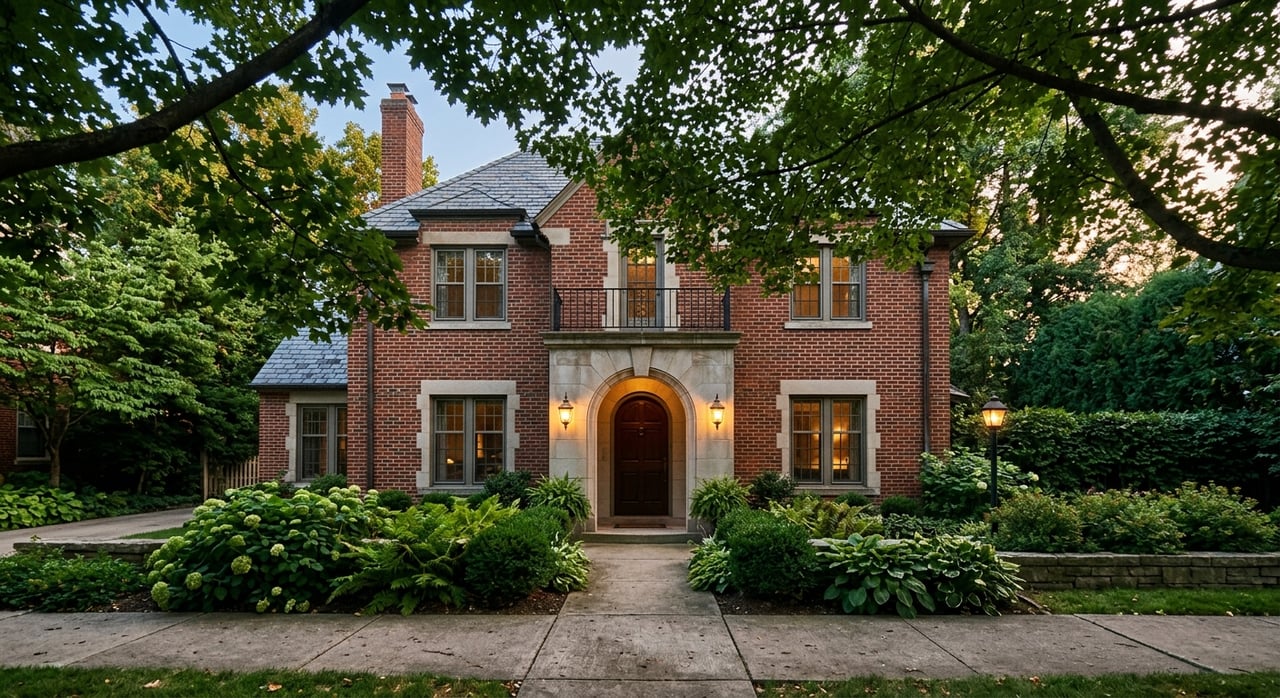
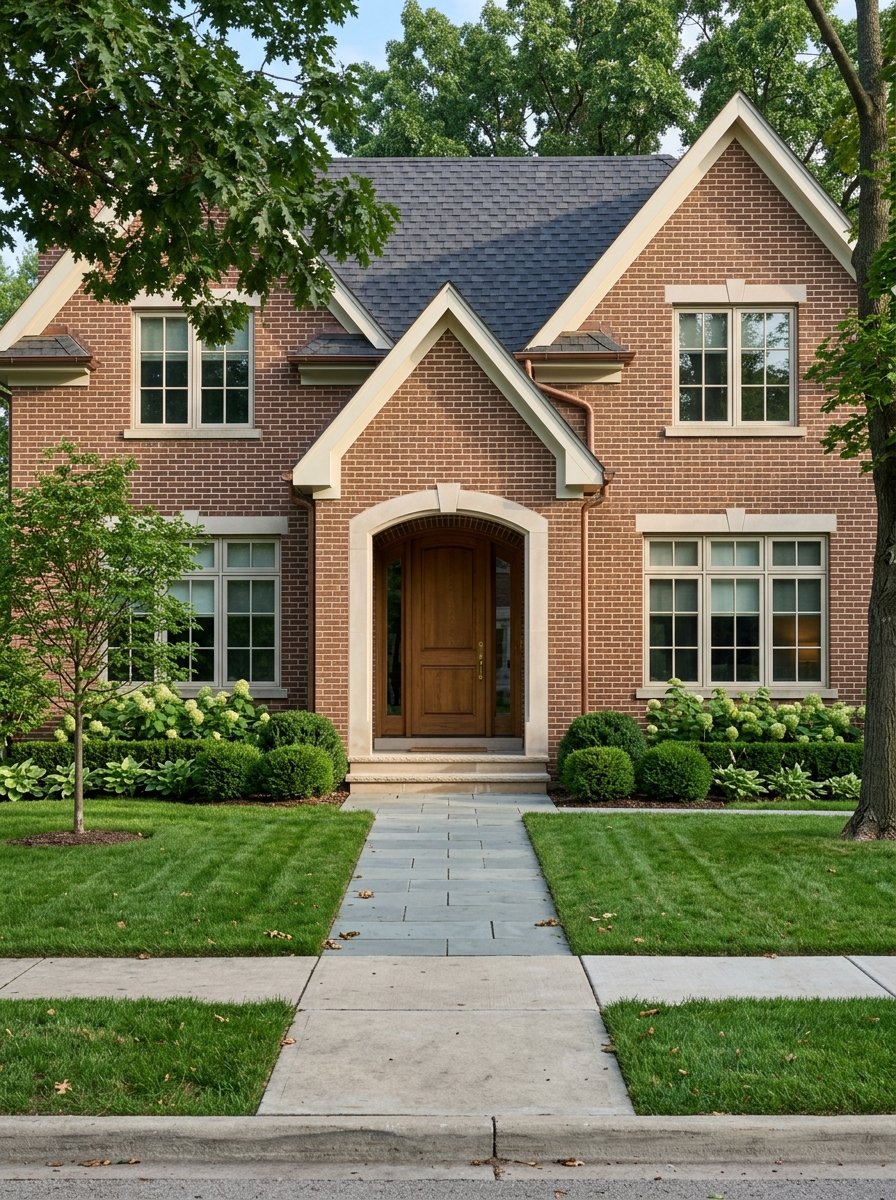
Colonial Revival homes in Highland Park often feature symmetry, hipped roofs, double-hung windows, pilasters, fan or Palladian windows, and pronounced front porches. These details create the polished, classic exterior many buyers immediately recognize.
The city’s survey areas include Colonial Revival examples in places such as Lakeside Place, Waverly Road, and Sheridan Road. In practical terms, this style tends to present a timeless appearance that rarely feels overly trend-driven.
Inside, Colonial Revival homes often have a more formal room-by-room layout. If you like defined living spaces, separate dining rooms, and traditional flow, this style may feel comfortable and familiar.
The tradeoff is that older examples may have smaller kitchens, baths, and less open circulation unless they have already been remodeled. When you tour one, pay close attention to whether changes feel thoughtfully integrated or whether the home still carries a layout that may not match how you want to live.
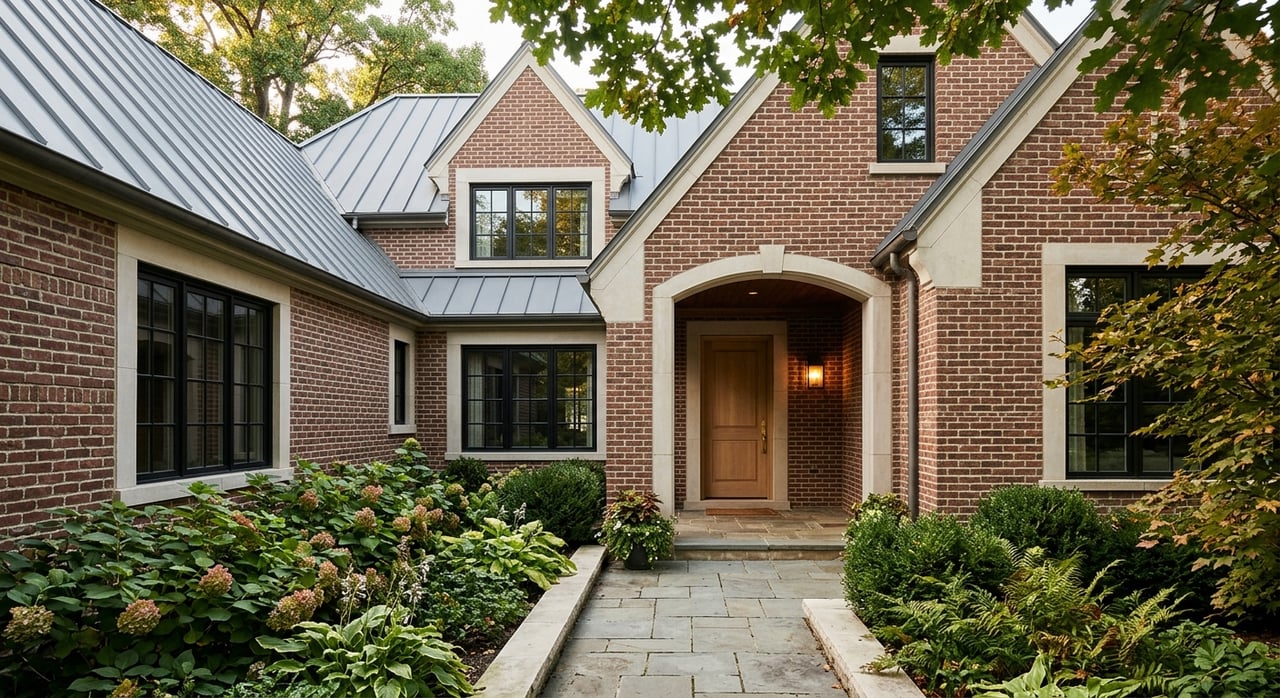
Tudor Revival homes are usually easy to spot. Common features include steep roofs, cross gables, half-timbering, prominent chimneys, and narrow multi-pane windows.
Highland Park has many Tudor examples across survey areas including Egandale, Elder, Fairview, Glencoe, Woodland, and Waverly. These homes often stand out for their strong architectural character and detailed exterior materials.
For many buyers, Tudor homes offer warmth and personality that is hard to duplicate. Interiors often feel cozy and distinct, with rooms that can feel intimate rather than expansive.
At the same time, these homes can come with more upkeep. Masonry, stucco, roofing, and decorative details deserve close attention. If you love the character, make sure you are equally comfortable with the maintenance profile that can come with it.
Prairie and Craftsman homes are a notable part of Highland Park’s older housing stock. Prairie School houses are typically low-pitched and horizontal, with wide overhanging eaves, broad front porches, and paired windows.
In Highland Park, this style also connects closely to the local landscape. The city’s preservation framework ties the area’s ravines and natural setting to a Prairie-aligned approach to design, which helps explain why these homes often feel rooted to their sites.
These homes often appeal to buyers who value architectural detail and a strong sense of place. You may notice built-ins, original woodwork, leaded glass, and sightlines that feel intentional and grounded.
Those same features also call for careful condition checks. During a showing, look closely at woodwork, built-ins, rooflines, and specialty windows. Original details can be a major asset, but their condition and preservation matter.
Highland Park’s later housing layers add another side to the market. You will find Mid-Century Modern, Ranch, International Style, Miesian, and newer Contemporary homes, including inventory examples noted in the city’s preservation materials.
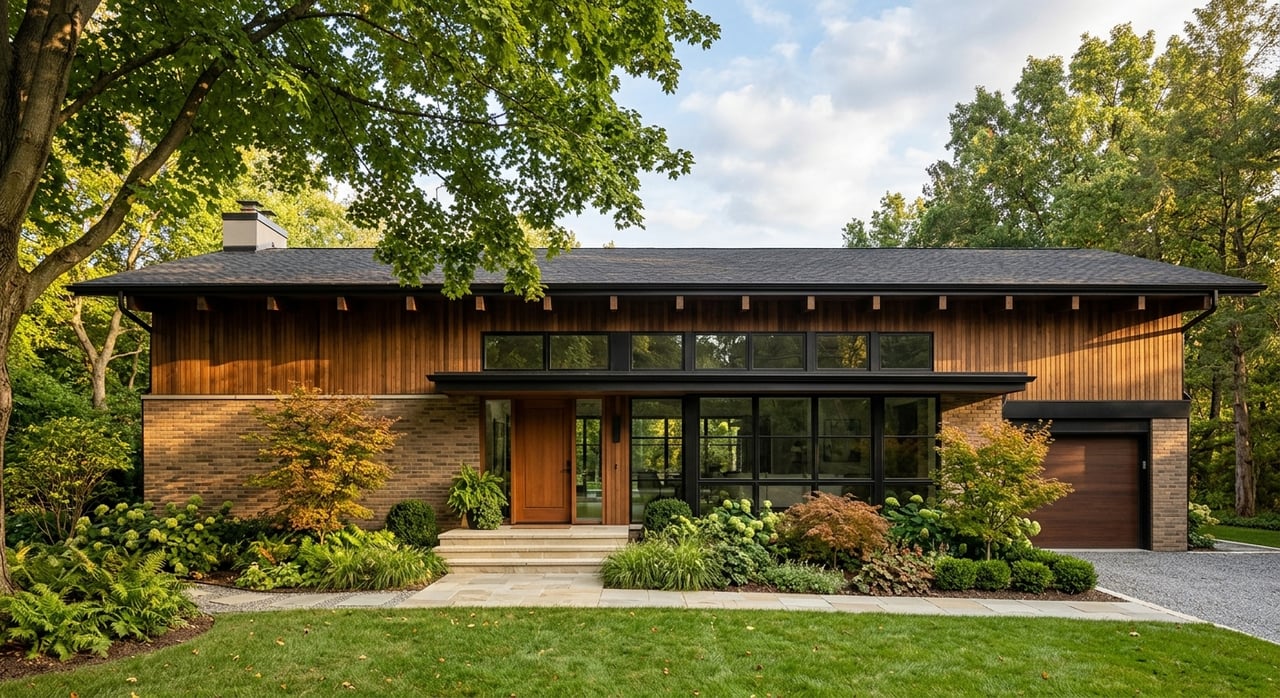
These homes are often long and low, with more glass, open layouts, and large picture windows. Compared with older classic styles, they can feel brighter, more flexible, and more connected to outdoor space.
If you want open living areas and cleaner lines, these homes may be especially appealing. They often support a more casual daily flow and can feel very livable for today’s routines.
Still, modern-era houses bring their own checklist. Pay attention to glazing, insulation, and roof or drainage details. A beautiful wall of glass can be a major design feature, but it is also a practical feature you will want to understand before you buy.
In Highland Park, preservation is not just background information. It can directly affect what you can change. The city identifies three local historic districts: Linden Park Place, Vine/Linden/Maple, and Belle Avenue.
The city also makes clear that local landmark designation provides more protection than state or national programs. If a home is a landmark or a contributing structure in a local historic district, exterior work may require a Certificate of Appropriateness.
Before assuming a home will be easy to update, verify whether it is a landmark, in a local historic district, or otherwise subject to review. Highland Park’s code defines regulated activity broadly, so the same idea for windows, an addition, or exterior changes may be straightforward on one property and more limited on another.
That does not mean you should avoid historic or architecturally significant homes. It simply means your renovation plans should start with the property’s actual status, not assumptions based on age alone.
A common question from buyers is whether an older home is considered historic or simply older. In Highland Park, the answer depends on more than age.
The city’s survey system rates buildings as Significant, Contributing, or Non-Contributing based on integrity and original materials. That means a house can be old without being treated as significant, and a later-era house may matter more than buyers first expect if it retains important design features.
One of the more interesting parts of Highland Park’s preservation story is that some modern-era styles were not fully recognized in earlier surveys. The city’s preservation plan notes that Mid-Century Modern homes were not always flagged as significant in the past.
For buyers, that matters because a mid-century home may carry more architectural importance than its listing photos suggest. If you are considering one, it is worth looking at originality, later alterations, and how much of the design intent still reads clearly today.
A style-specific showing checklist can help you compare homes more intelligently. Rather than focusing only on cosmetics, look for how the house’s design and condition line up.
Here are smart things to watch for:
This kind of review can tell you a lot about both current livability and future project potential.
In Highland Park, long-term value is not just about square footage. It is also tied to originality, the quality of additions, and how much change a home can absorb without losing character.
That is especially important in a market with strong architectural variety. A well-preserved home with thoughtful updates may hold appeal differently than a heavily altered home where the original design has been diluted. If you are buying with resale in mind, style and integrity deserve a place in your decision-making.
When you understand what a home style usually signals, you can shop with better instincts. You can quickly tell whether a home is likely to offer formal rooms or open flow, timeless detailing or maintenance-heavy materials, broad renovation freedom or a more review-driven process.
That kind of clarity matters in Highland Park, where architecture is part of the market’s identity. If you want help evaluating how a specific home’s style, condition, and update potential fit your goals, Hasselbring Partners is here to help with thoughtful, low-pressure guidance.
Stay up to date on the latest real estate trends.
At Hasselbring Partners, we value relationships, both with clients and within the community. Flor's reputation and longstanding presence in the North Shore area attest to our dedication to building trust and delivering exceptional results. Complimented by Tracy's family's history in the community and his extensive career working on notable architectural projects across Chicago, we bring unique insight to the home buying and sales process. We believe in a no-pressure yet timely and effective sales approach, ensuring a positive experience for all involved. Please Join Us!