Staging Strategies For Wilmette Luxury Home Sellers
June 11, 2026
June 11, 2026
If you are selling a luxury home in Wilmette, staging is not just a finishing touch. It can shape how buyers see your home online, how they feel walking through the front door, and how confidently they value the property. In a market where presentation and architectural character matter, a thoughtful staging plan can help your home stand out for the right reasons. Let’s dive in.
Wilmette offers a very specific kind of appeal. Village materials highlight its lakefront setting, tree-lined and brick streets, period streetlights, and strong historic character, with 38 local landmarks, three National Register historic districts, and nine individually listed National Register properties. That means many buyers are not just shopping for square footage. They are also responding to setting, style, and the way a home fits into its surroundings.
The market also supports a polished approach. Realtor.com reported Wilmette as a seller’s market in March and April 2026, with a median listing price of $1.1745 million, 82 active listings, and a median 26 days on market. Even in a strong market, luxury sellers still benefit from making the best possible first impression.
Staging helps with that first impression both in person and online. The National Association of Realtors 2025 Profile of Home Staging found that 83% of buyers’ agents said staging made it easier for buyers to visualize a property as a future home. The same report also found that photos, physical staging, videos, and virtual tours all matter strongly to buyers.
In a high-value market like Wilmette, buyers often respond to homes that feel edited, bright, and easy to understand. Census QuickFacts shows a high owner-occupied housing rate and a comparatively affluent, highly educated population, which suggests many buyers may be design-conscious and attentive to presentation. That does not mean your home should feel over-styled. It means every room should feel intentional.
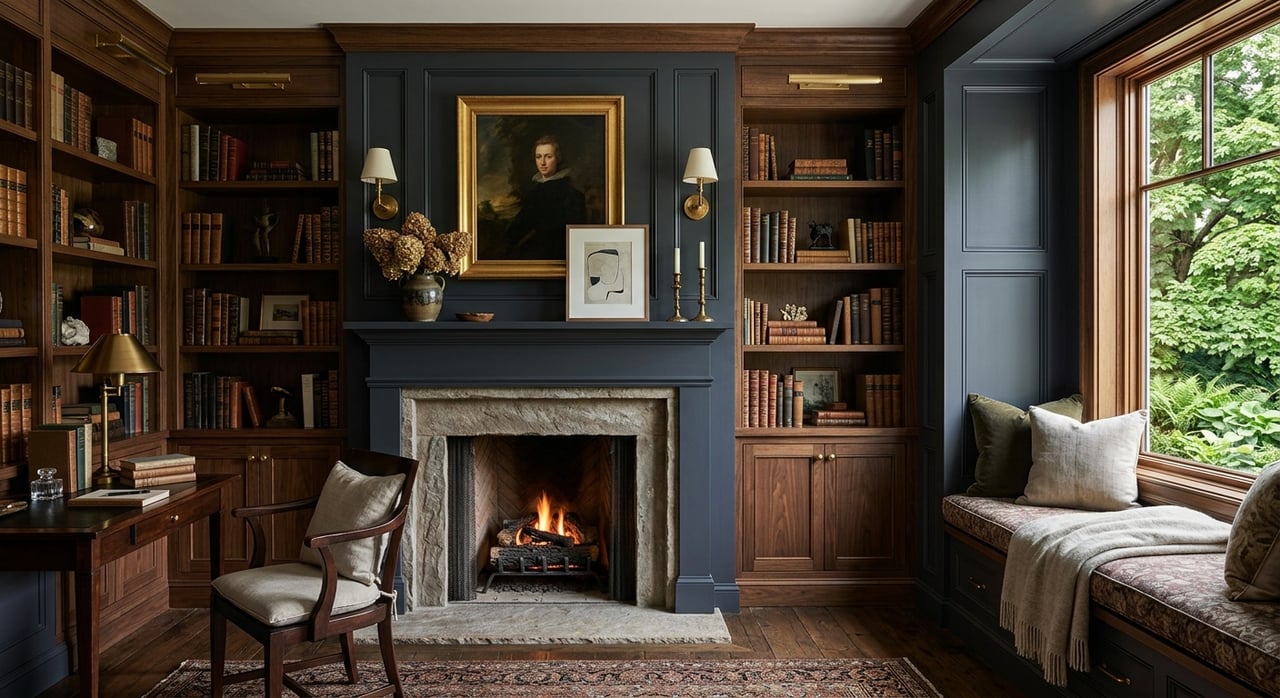
In many Wilmette homes, architecture does a lot of the selling. Original millwork, fireplaces, staircases, built-ins, brickwork, and large windows often carry real visual weight. Good staging supports those features instead of competing with them.
That is especially important in a community where historic character is part of the appeal. A luxury buyer should be able to walk in and immediately understand what is special about the home. Your staging choices should guide the eye, not distract it.
Before you rent furniture or buy decor, focus on the basics that have the biggest impact. According to NAR, sellers’ agents most often recommend decluttering, full-home cleaning, and improving curb appeal before anything else. Those steps create the clean visual foundation every premium listing needs.
Start with a simple checklist:
These basics matter because they improve both showings and marketing photos. If the home feels crowded or visually busy, buyers may miss the scale, flow, and finish level that support a premium price.
Not every room deserves the same staging budget. If you are selling a Wilmette luxury home, it usually makes more sense to focus on the spaces buyers notice first and remember longest.
NAR found that the living room was the most important staged room for buyers at 37%, followed by the primary bedroom at 34% and the kitchen at 23%. Sellers’ agents most commonly staged the living room, primary bedroom, dining room, and kitchen. That is a helpful roadmap for where to invest first.
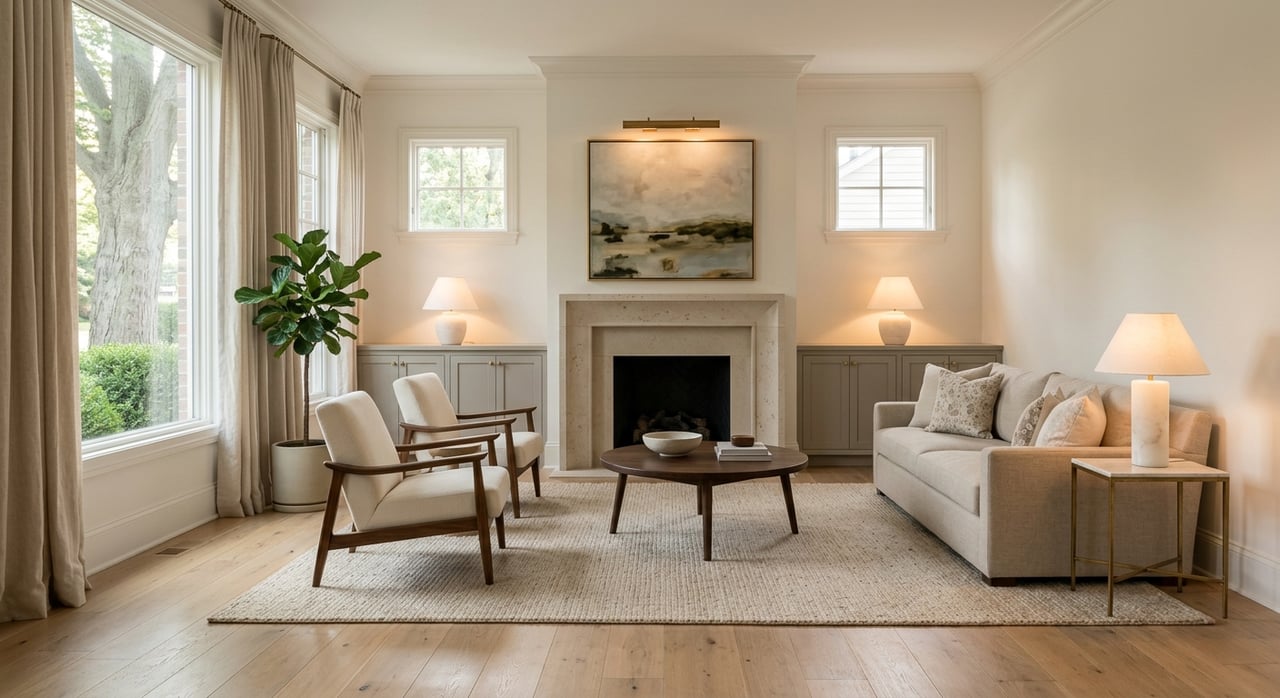
The living room does a lot of work in a luxury listing. It often anchors photos, hosts showings, and frames key features like fireplaces, windows, ceiling height, or views. In many Wilmette homes, it may also connect directly to the home’s architectural identity.
Use seating that fits the room correctly. If furniture is too large, the space can feel tight. If it is too small, the room can feel awkward or underwhelming.
Keep circulation paths open and let focal points stand out. Balanced lamps, restrained accessories, and a calm color palette usually work better than too many decorative pieces. The goal is a room that feels elegant, usable, and easy to imagine living in.
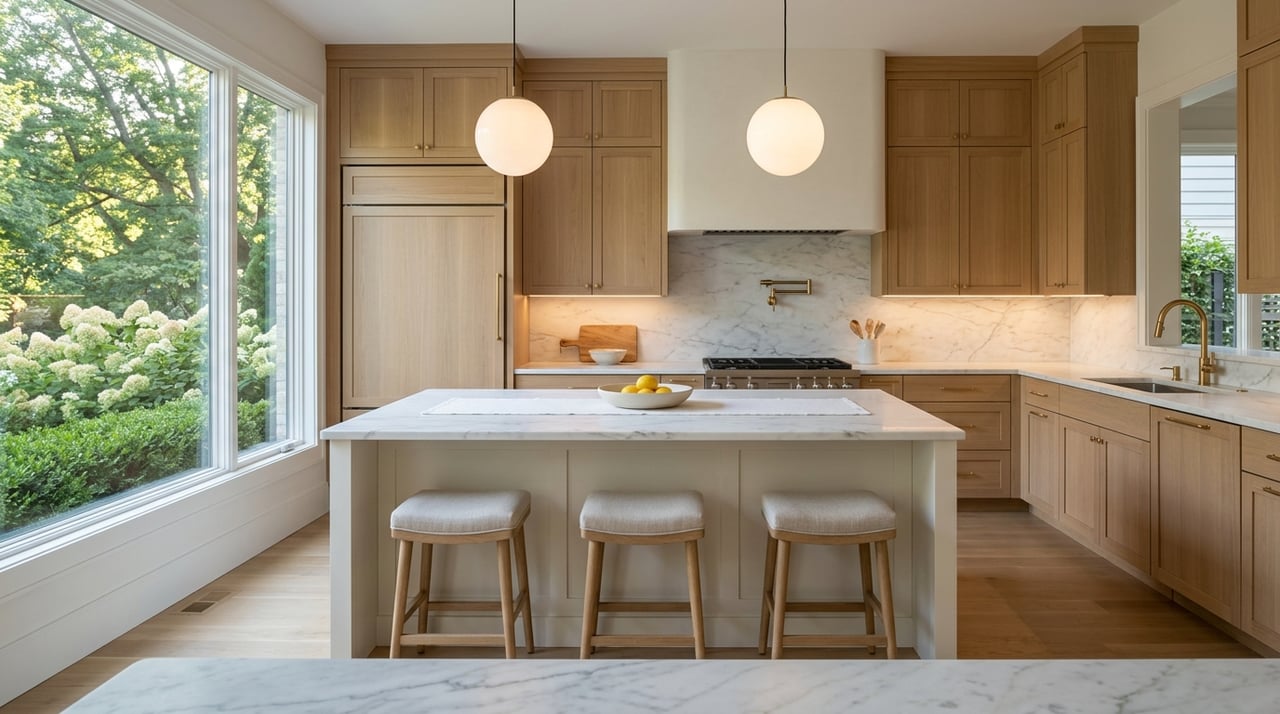
Luxury kitchens sell through finish, function, and light. Buyers should be able to notice the counters, cabinetry, island, and flow without visual clutter getting in the way. That means small appliances, paper goods, and countertop extras should be reduced as much as possible.
If the kitchen has an island or breakfast area, stage it to suggest easy everyday use. A few well-chosen stools or a simple table setting can help define the space. Keep it minimal so the finishes remain the star.
The primary bedroom ranked second in buyer importance in the NAR report, so it deserves real attention. This room should feel restful, spacious, and refined. Crisp bedding, limited accessories, and edited nightstands usually create the strongest result.
Closets also matter here. Even if they are not heavily staged, they should look organized and manageable. A crowded closet can make even a large suite feel less luxurious.
Dining rooms remain an important part of staging strategy, especially in larger homes. In Wilmette, where many homes support formal and informal entertaining, the dining room should feel useful without becoming overly formal.
A properly scaled table, a simple centerpiece, and clean lighting are often enough. You want buyers to see how the room lives, not feel like they are stepping into a showroom.
Not every room needs a full staging investment. NAR found that guest rooms and children’s bedrooms were among the least commonly staged spaces, while home offices were staged more often but still far less than core living areas. That suggests a smart luxury strategy is often selective rather than all-in.
For secondary bedrooms, keep things simple and neat. Neutral bedding, open floor space, and minimal decor usually do the job. These rooms should feel flexible and well maintained.
For a home office, consider whether the space solves a likely buyer need. If it has strong natural light, built-ins, or a quiet location, simple staging can help buyers quickly understand its purpose. If not, avoid overinvesting.
Bathrooms may not be the headline room, but they still influence how polished the home feels overall. NAR found that bathrooms were staged in 47% of listings, which tells you they matter even if they are not always the first room buyers mention.
Think spa-like, not decorative. Clear counters, bright lighting, fresh towels, and a very clean finish go a long way. In a luxury listing, buyers notice details quickly.
Wilmette’s lakefront identity adds another layer to staging strategy. The village notes 63 acres of lakefront parks, and that outdoor orientation can shape what buyers value in a home setting. Even if your property does not sit on the lake, exterior presentation still matters.
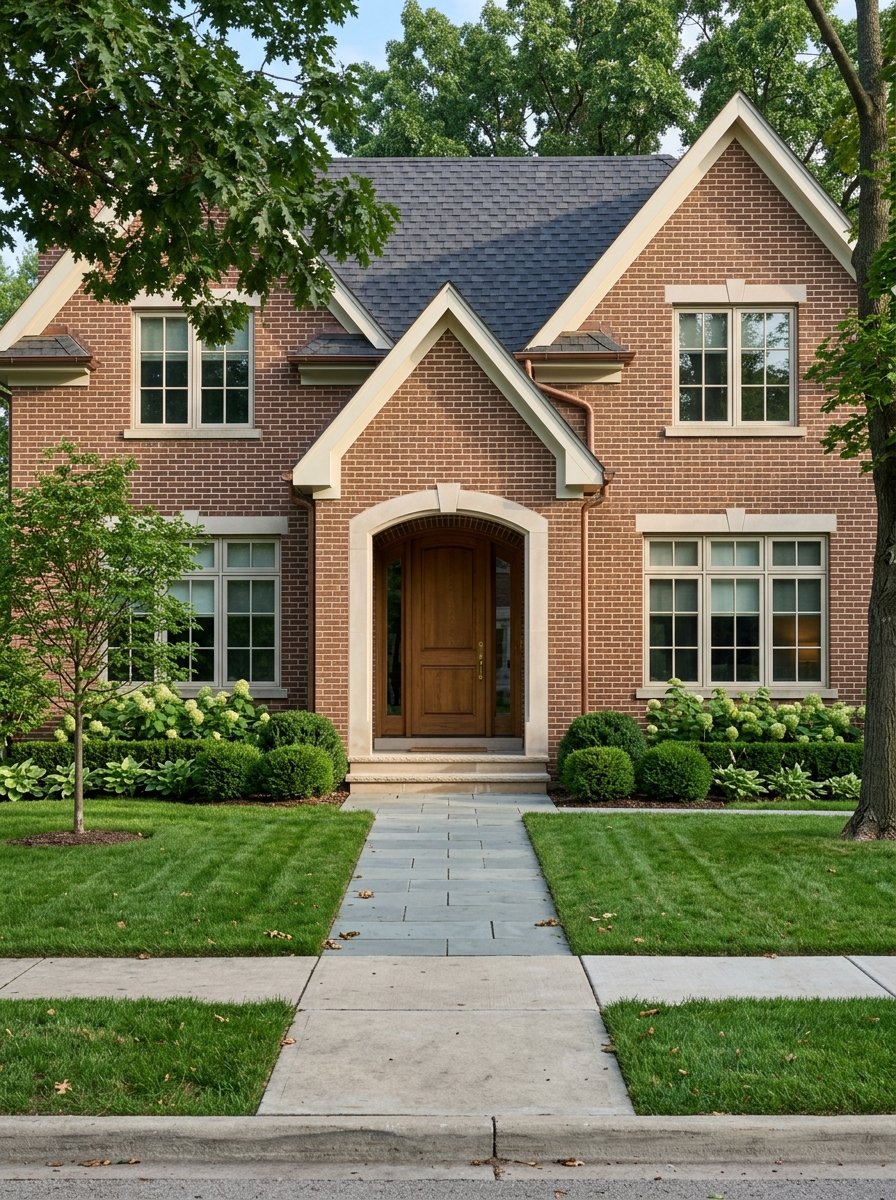
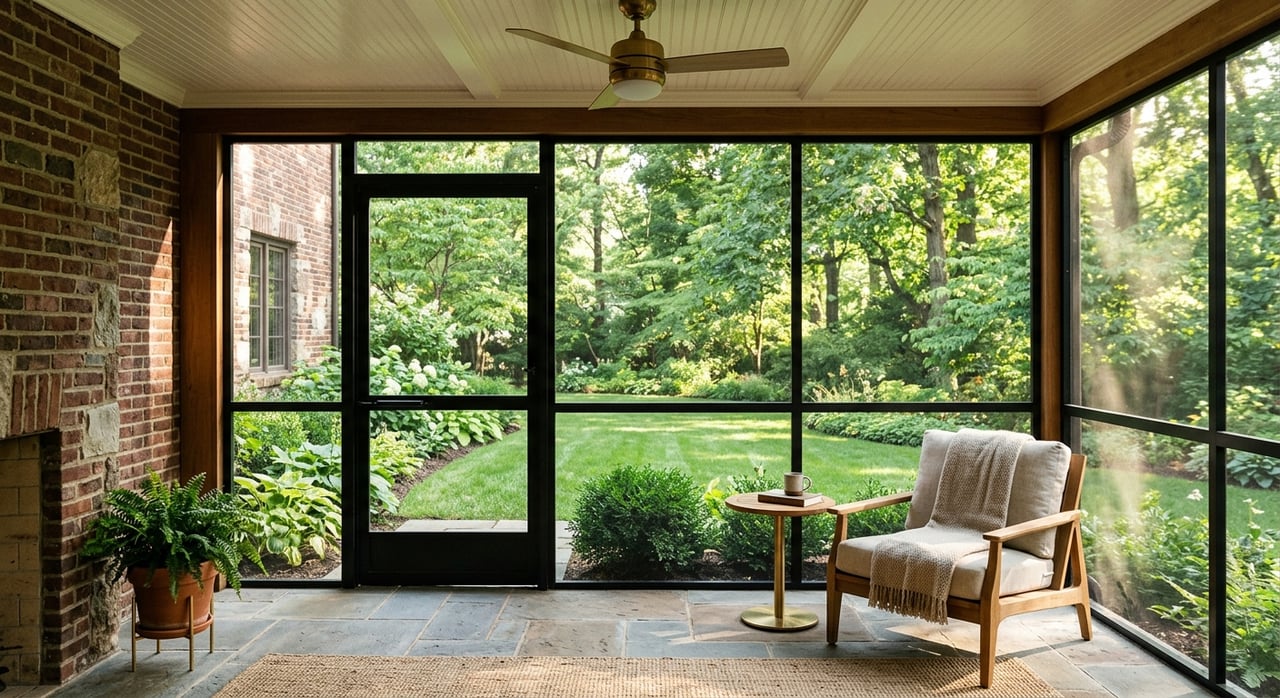
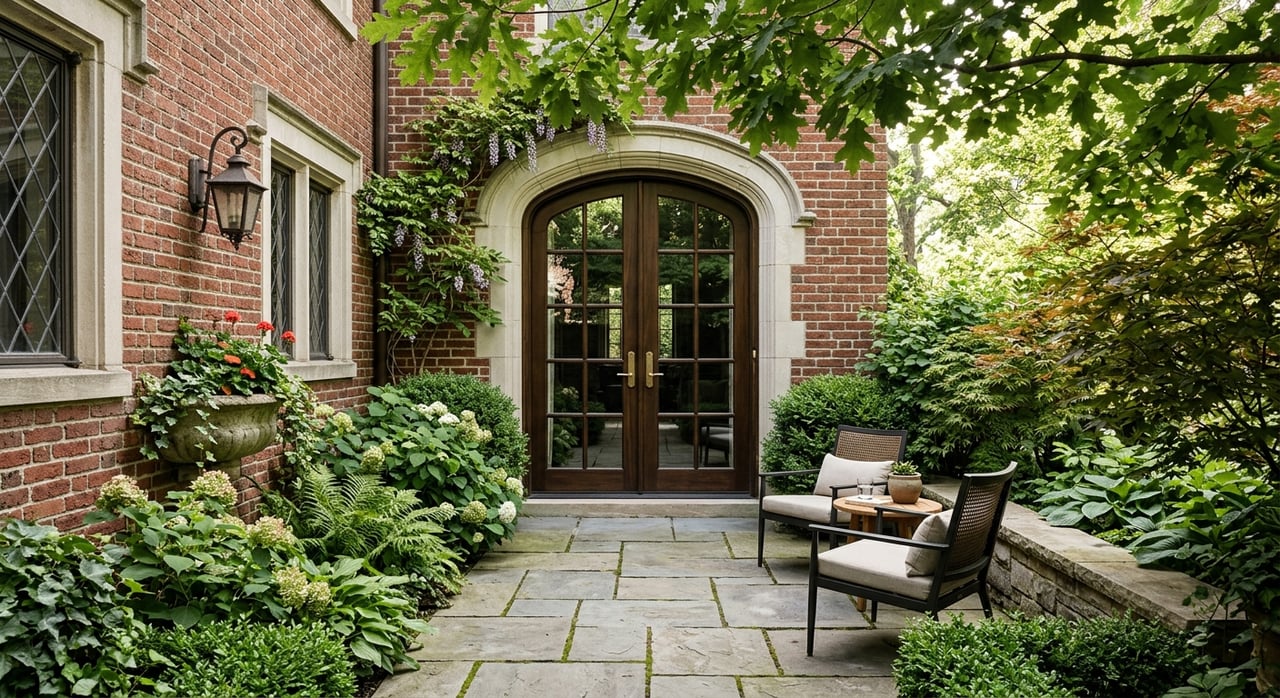
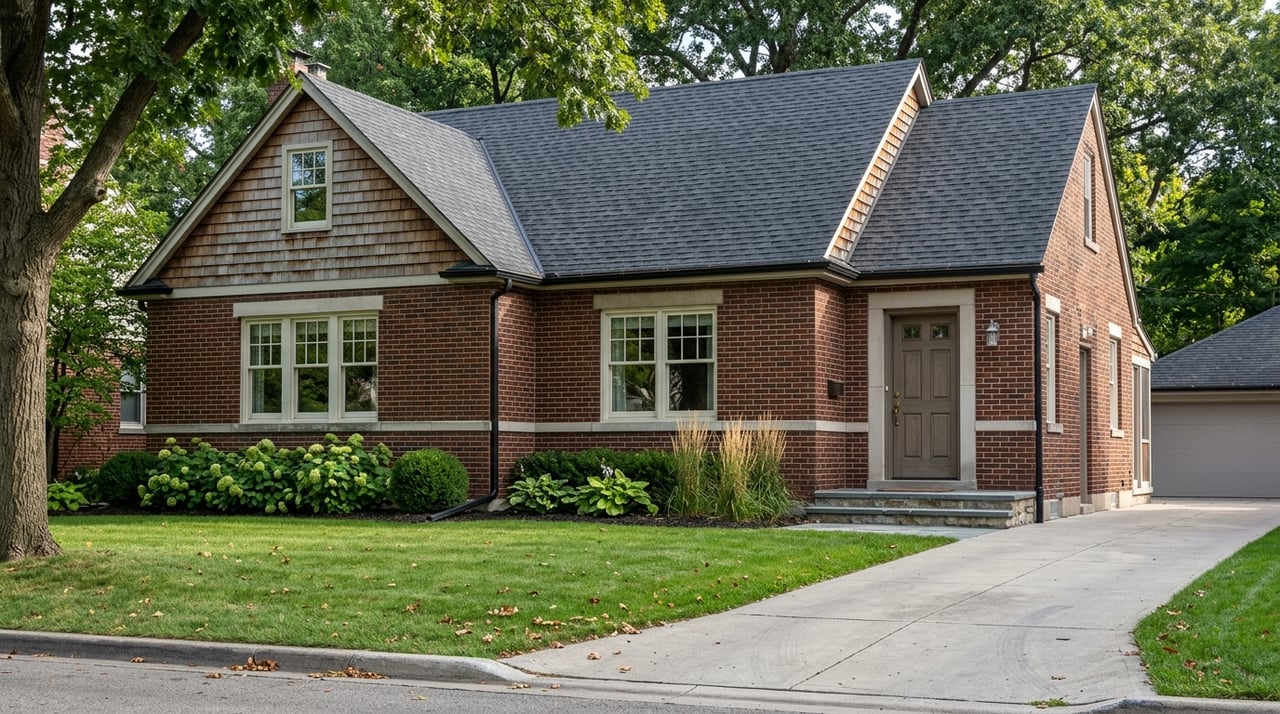
Curb appeal should feel crisp and cared for. The front entry should be clean, landscaping should be trimmed, and any porch or patio should read as usable space. A pair of chairs, a simple outdoor table, or neatly arranged seating can help buyers picture how they would enjoy the property.
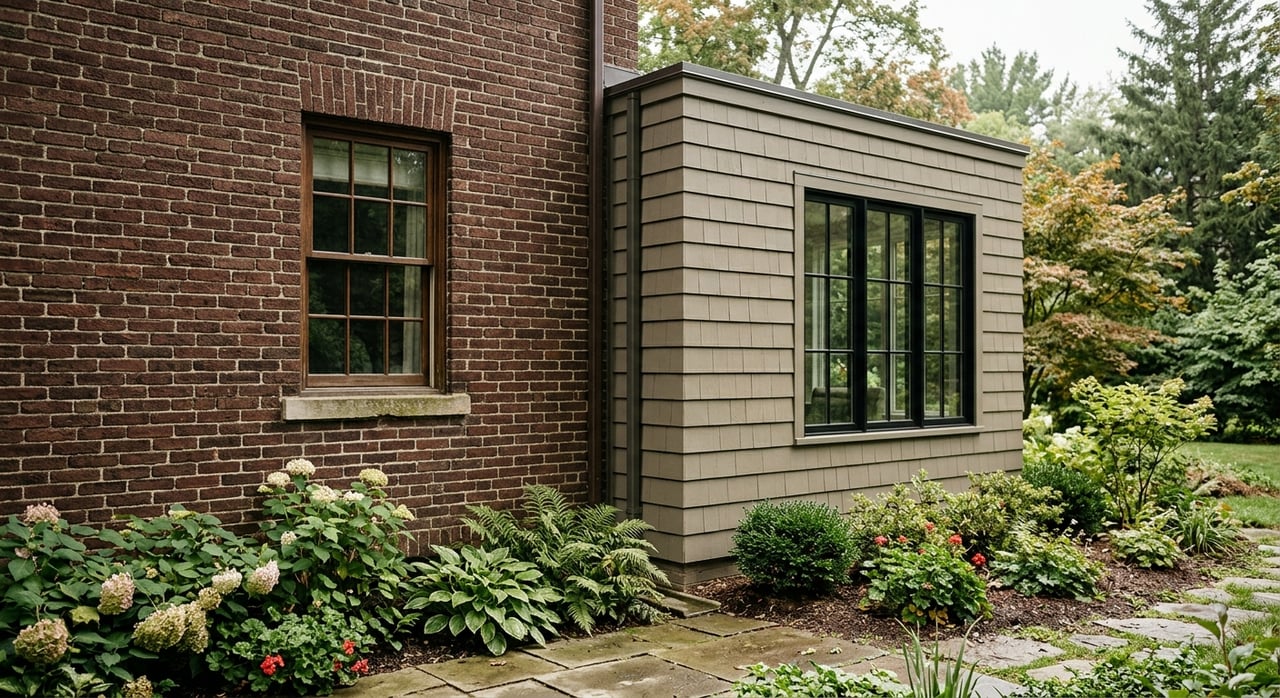
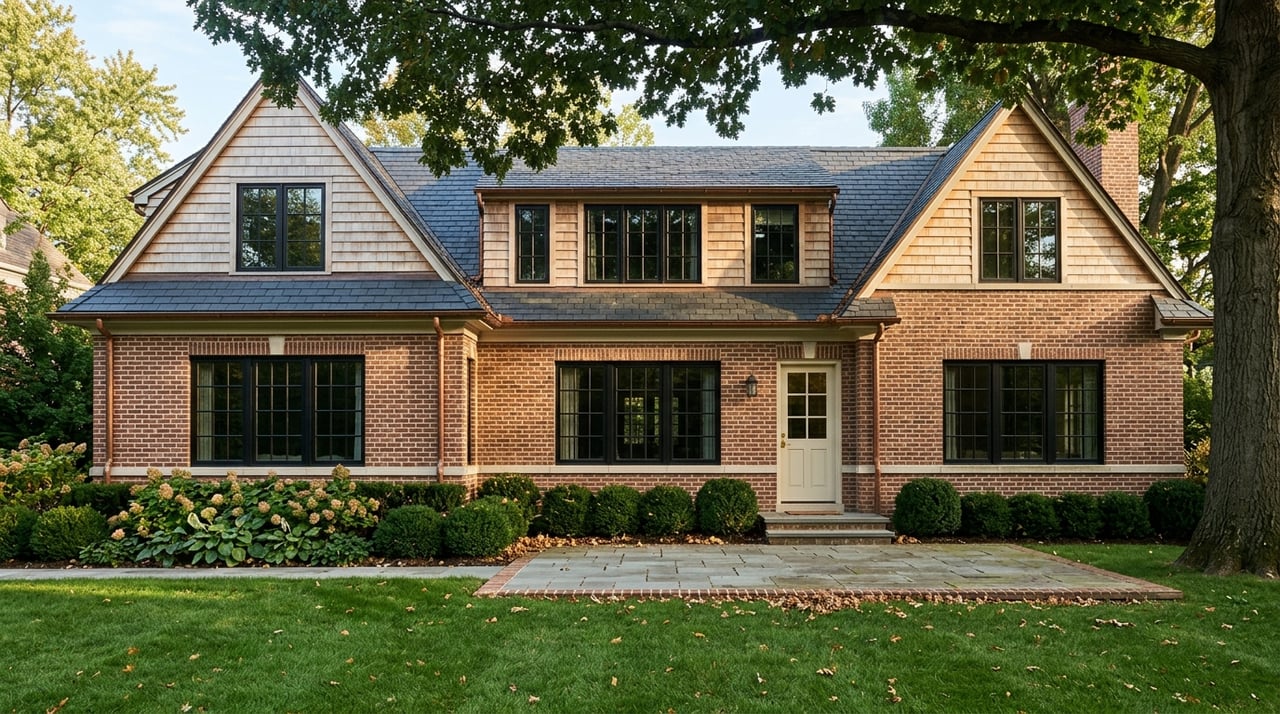
This is one area where subtlety matters. Outdoor staging should support the home’s style and lot, not feel forced. In Wilmette, mature trees, classic facades, and composed landscaping often do more than bold accessories ever could.
One of the biggest staging mistakes in older luxury homes is trying to make them look like something they are not. In Wilmette, where preservation and historic character are part of the village identity, that can work against the home.
Instead of hiding original features, highlight them. Let millwork breathe. Keep window treatments simple if the windows are a selling point. Use furniture placement to frame fireplaces, staircases, built-ins, or brick details.
This is where a restrained approach usually wins. Fewer, better-chosen pieces can help buyers appreciate the architecture more clearly. In historic or architecture-rich homes, staging should create clarity, not visual competition.
A strong staging plan should work for more than open houses or private tours. It also needs to support photography, video, and virtual tours, since those often shape whether a buyer decides to visit at all. NAR found that buyers’ agents ranked photos as especially important, followed by physical staging, videos, and virtual tours.
That is why physical staging should be treated as the main tool. In the same report, 38% of buyers’ agents said virtual staging was less important. For a luxury Wilmette listing, buyers generally want the real home to look as compelling in person as it does online.
Good staging for the camera means clear sightlines, balanced lighting, and rooms that read well in a single frame. It also means resisting the urge to overfill spaces. In photos, clutter usually looks even heavier than it does in person.
Many sellers ask how much staging they should do before listing. NAR reported a median spend of $1,500 on staging services, and sellers’ agents said quality of design mattered even more than price when selecting a staging partner. For a luxury listing, that often supports a focused approach instead of trying to furnish every corner.
In practical terms, that may mean:
That kind of plan often creates a better result than spreading the budget too thin. In a market like Wilmette, buyers usually respond to polished essentials more than excess styling.
The strongest approach for Wilmette luxury home sellers is simple: be selective, be polished, and let the architecture lead. Focus on decluttering, cleaning, curb appeal, and the rooms buyers care about most. Then build a staging plan that supports photography, highlights key features, and respects the home’s character.
In a village known for beautiful streetscapes, historic homes, and a strong lifestyle identity, staging should help buyers connect the dots quickly. When your home feels calm, clear, and elevated, buyers can focus on what makes it memorable.
If you are preparing to sell on the North Shore and want a thoughtful, design-aware plan for presentation, pre-listing improvements, and marketing, Hasselbring Partners can help you create a strategy that fits your home and your goals.
Stay up to date on the latest real estate trends.
At Hasselbring Partners, we value relationships, both with clients and within the community. Flor's reputation and longstanding presence in the North Shore area attest to our dedication to building trust and delivering exceptional results. Complimented by Tracy's family's history in the community and his extensive career working on notable architectural projects across Chicago, we bring unique insight to the home buying and sales process. We believe in a no-pressure yet timely and effective sales approach, ensuring a positive experience for all involved. Please Join Us!