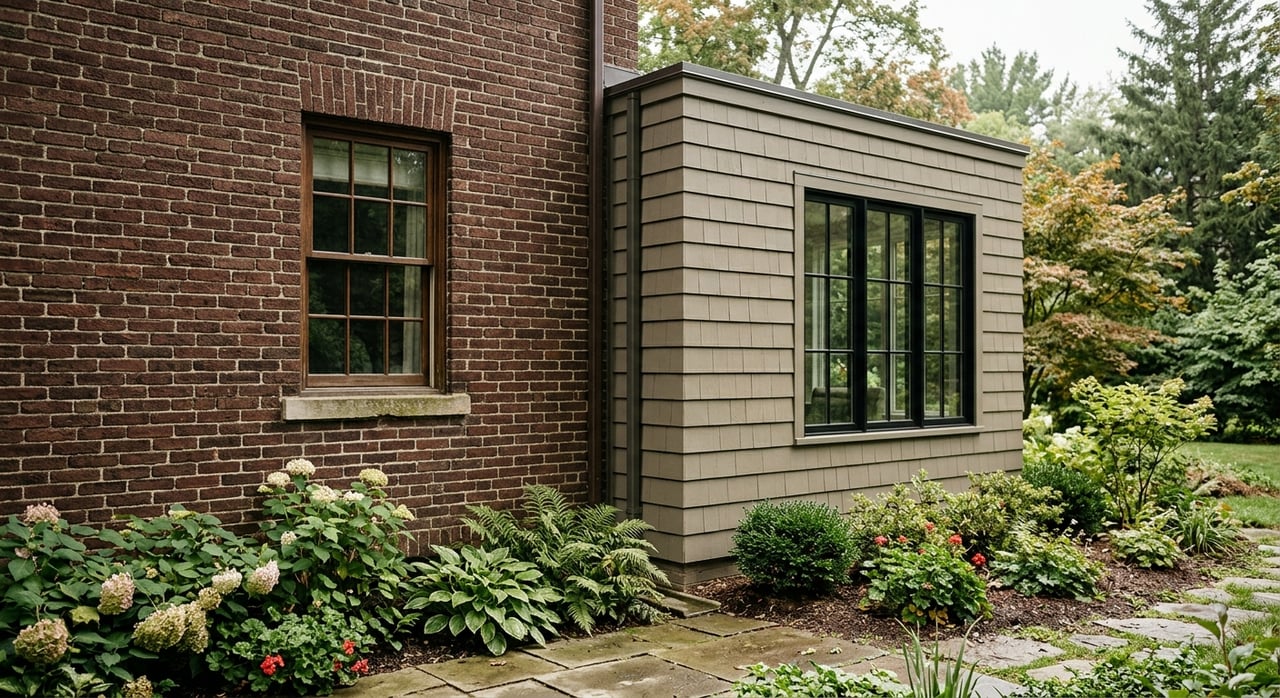
Comparing New and Vintage Homes in Wilmette
May 21, 2026
May 21, 2026
Wondering whether a newer home or a vintage property makes more sense in Wilmette? You are not alone. In a village where older homes make up a major share of the housing stock, this decision often comes down to how you weigh charm, condition, upkeep, and future plans. If you are trying to decide which path fits your lifestyle and budget, this guide will help you compare the trade-offs and ask better questions before you buy. Let’s dive in.
Wilmette is not a market where vintage homes sit on the sidelines. According to local housing data, 77.1% of housing units are single-family detached homes, the median year built is 1956, 29.2% of homes were built before 1940, and 45.1% were built from 1940 to 1969.
That means older housing is a core part of the local market. If you want to buy in Wilmette, there is a good chance you will compare homes with very different ages, systems, layouts, and renovation histories.
At the same time, new construction, additions, and major remodels are part of the local housing picture too. Wilmette’s Community Development Department processes about 3,000 permits each year, which shows how active the village is when it comes to rebuilding and improving homes.
In practical terms, buyers often think of vintage homes in Wilmette as properties built decades ago, especially pre-1940 homes and many mid-century homes from the 1940s through 1960s. These homes may offer original details, established settings, and renovation potential, but they can also come with more maintenance and more unknowns.
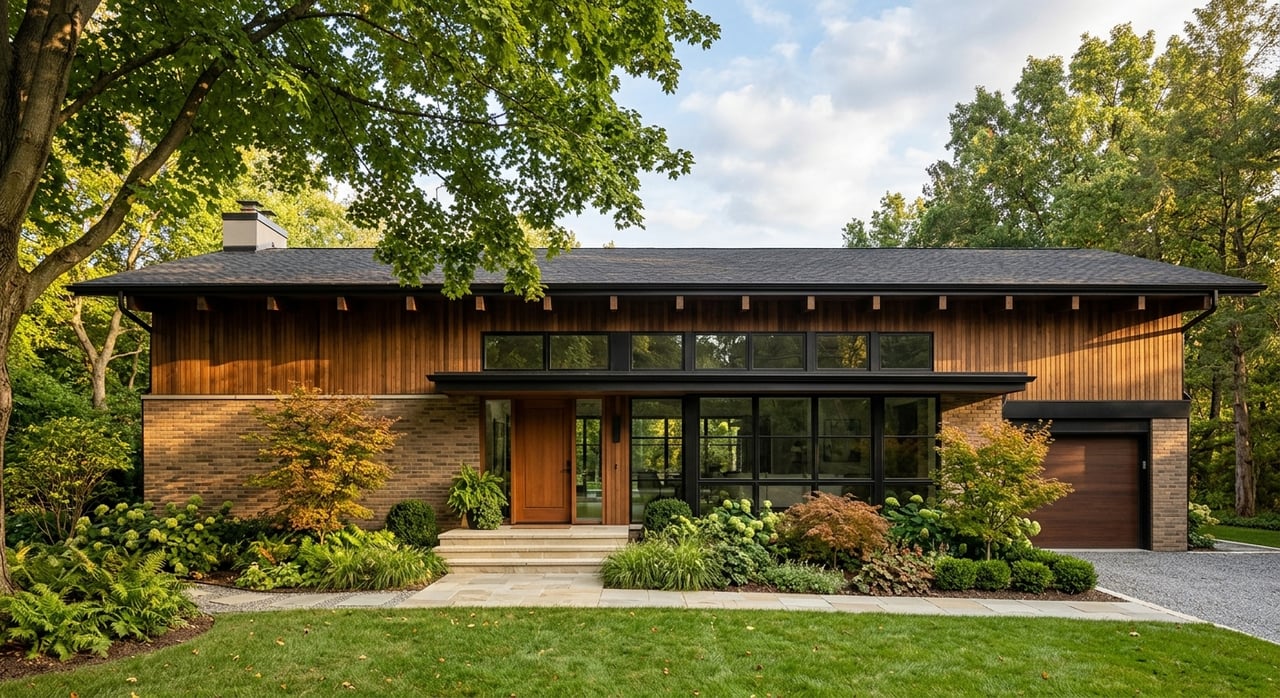
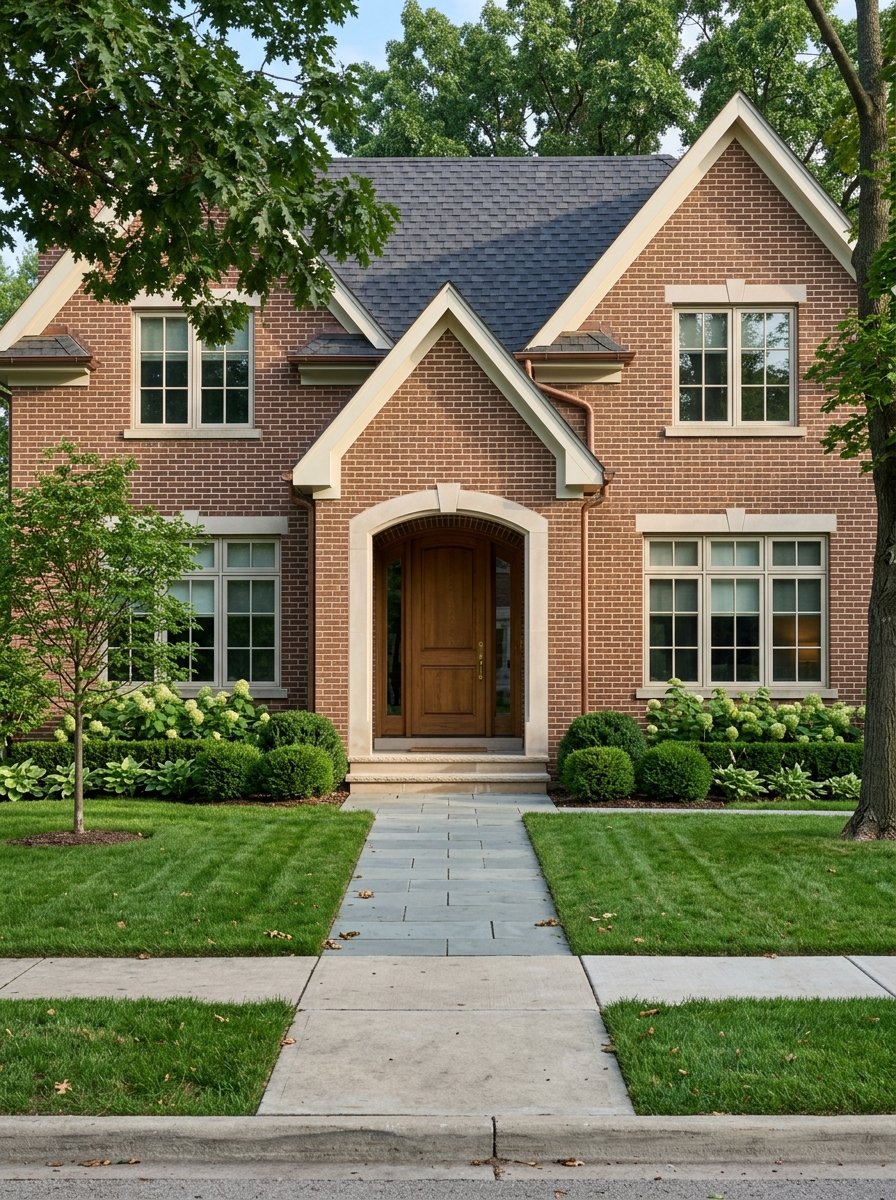
Newer homes usually include recent construction or homes that have been substantially rebuilt or extensively renovated. They may offer more current layouts, newer systems, and fewer immediate projects, but the details behind the finishes still matter.
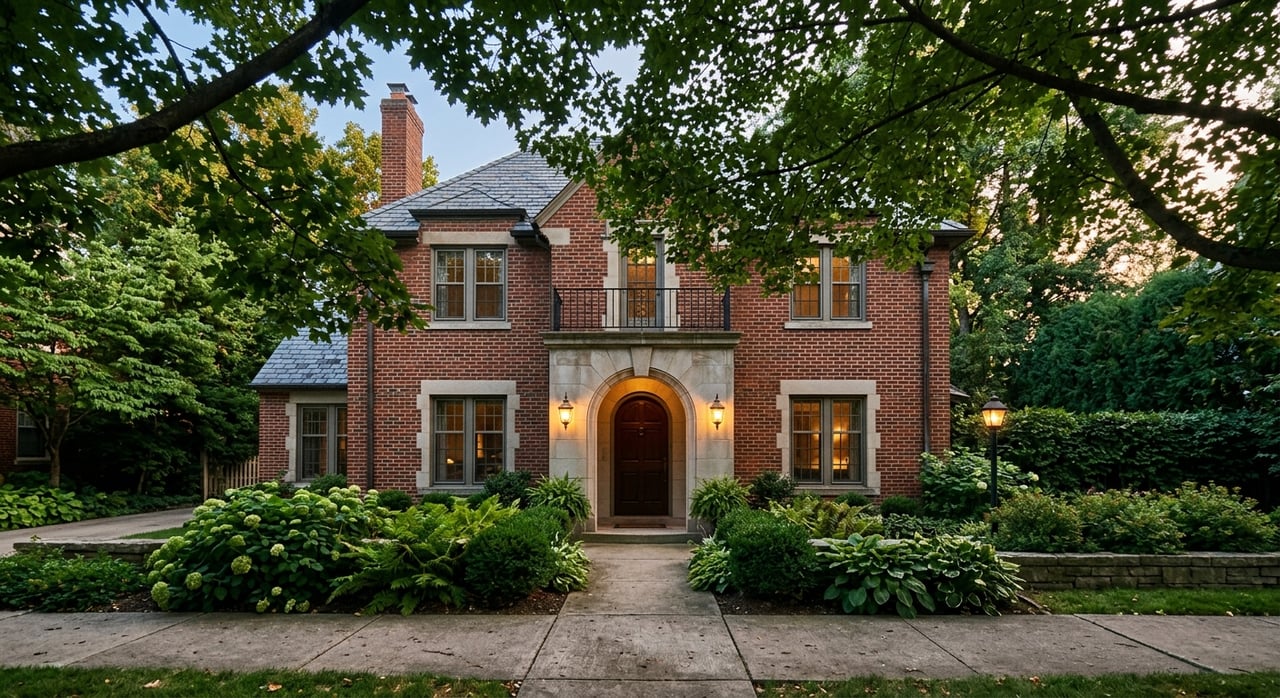
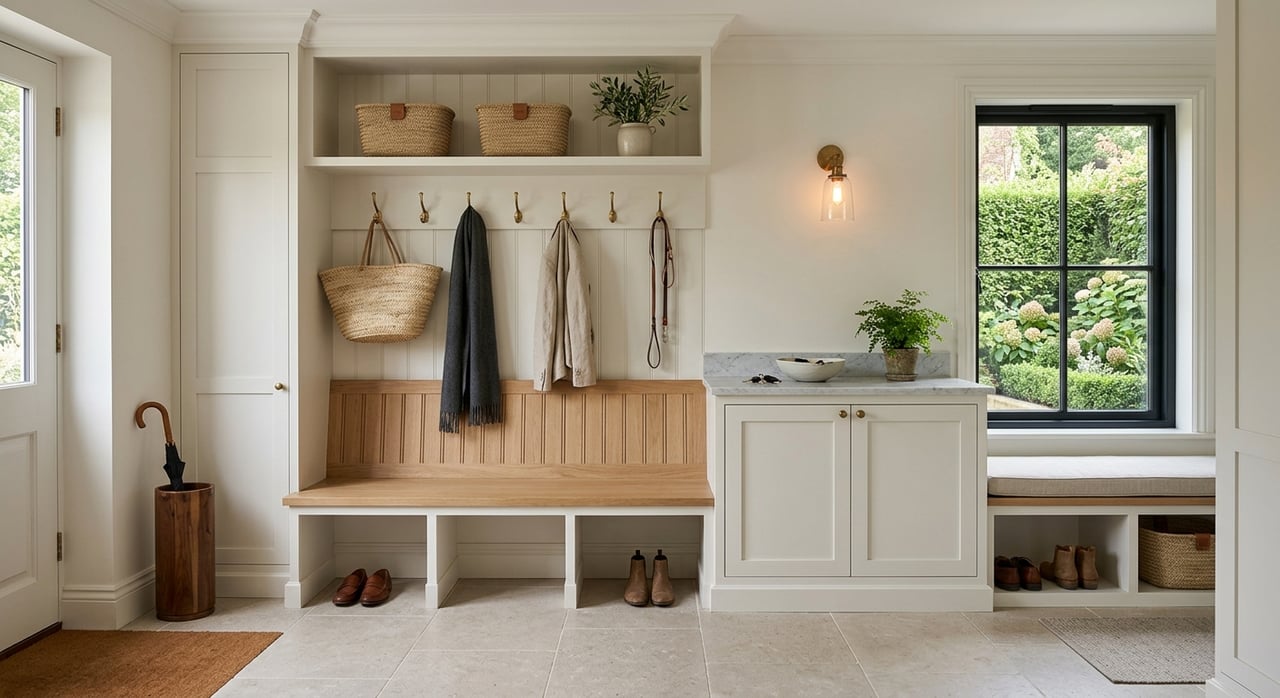
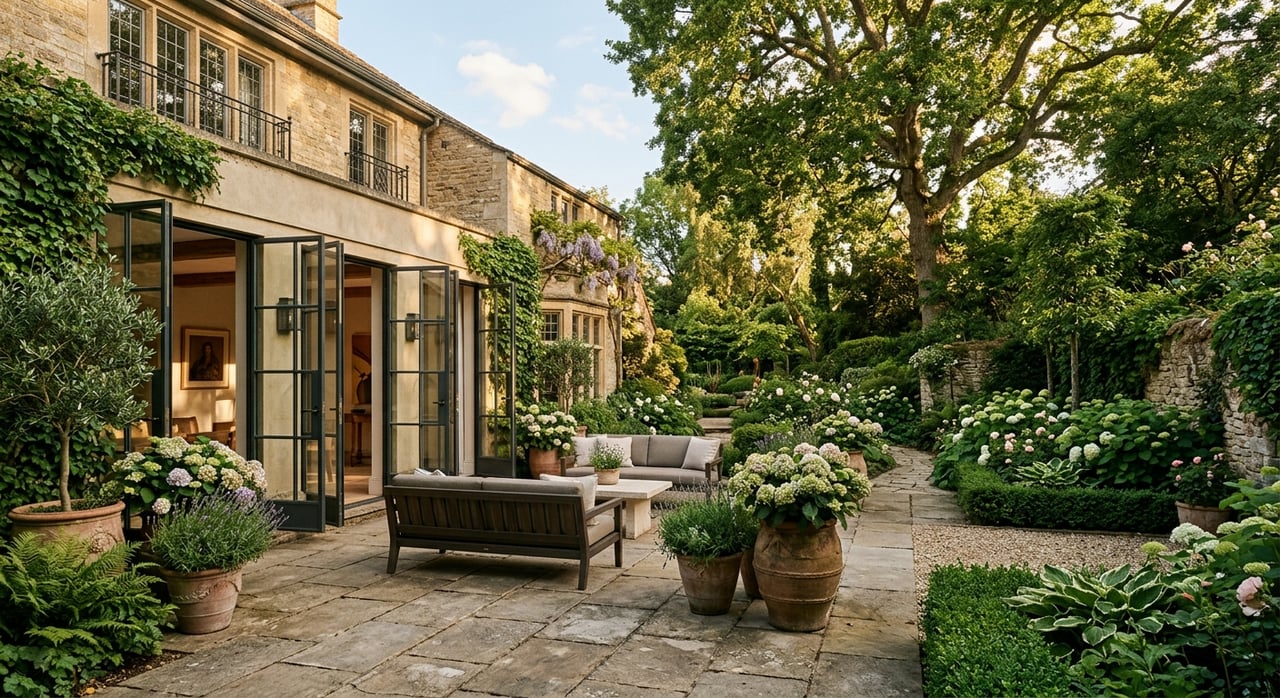
Vintage homes often appeal to buyers who want character you cannot easily recreate. In Wilmette, that may mean original millwork, older masonry, traditional facades, or room proportions that feel distinct from newer construction.
Older homes are also deeply woven into the local market. Their long-term value should not be overlooked. Wilmette’s housing analysis shows that 1950s-era homes saw median value rise from $442,800 in 2014 to $640,300 in 2024, which is a reminder that an older home can still be a meaningful asset even if it needs updating.
For some buyers, a vintage home is attractive because it leaves room to personalize over time. If you are comfortable planning improvements in phases, an older home can offer a path to create a highly tailored result.
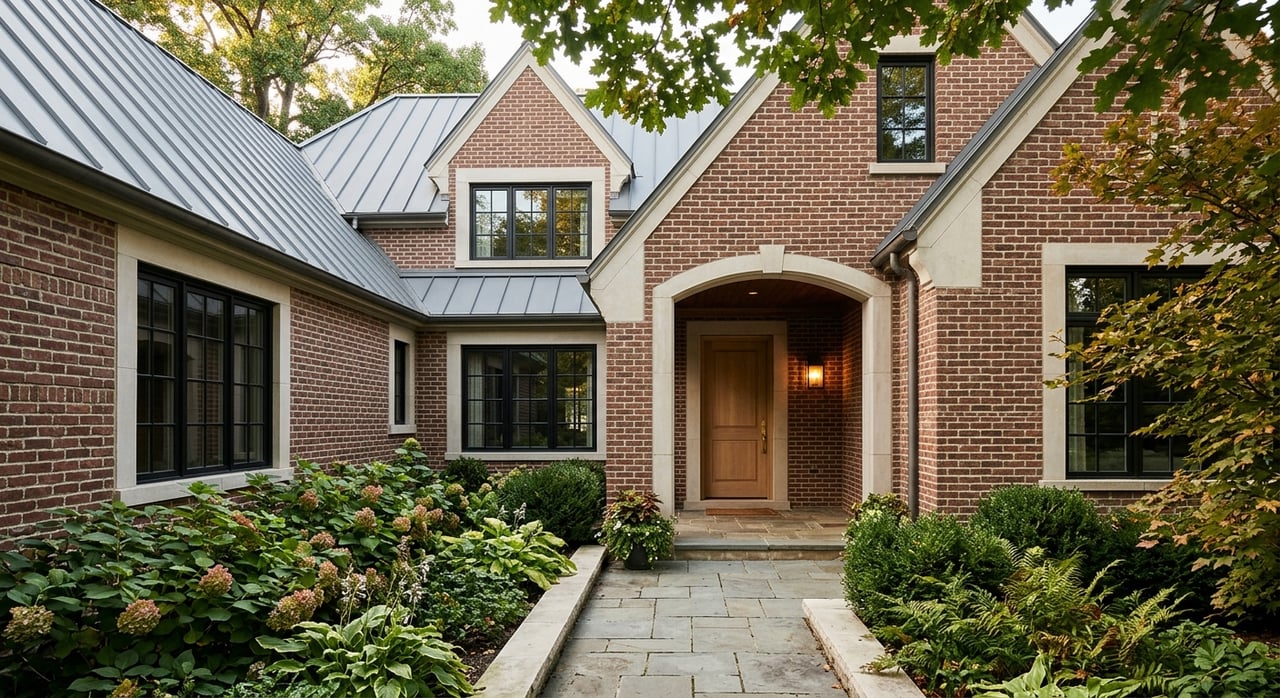
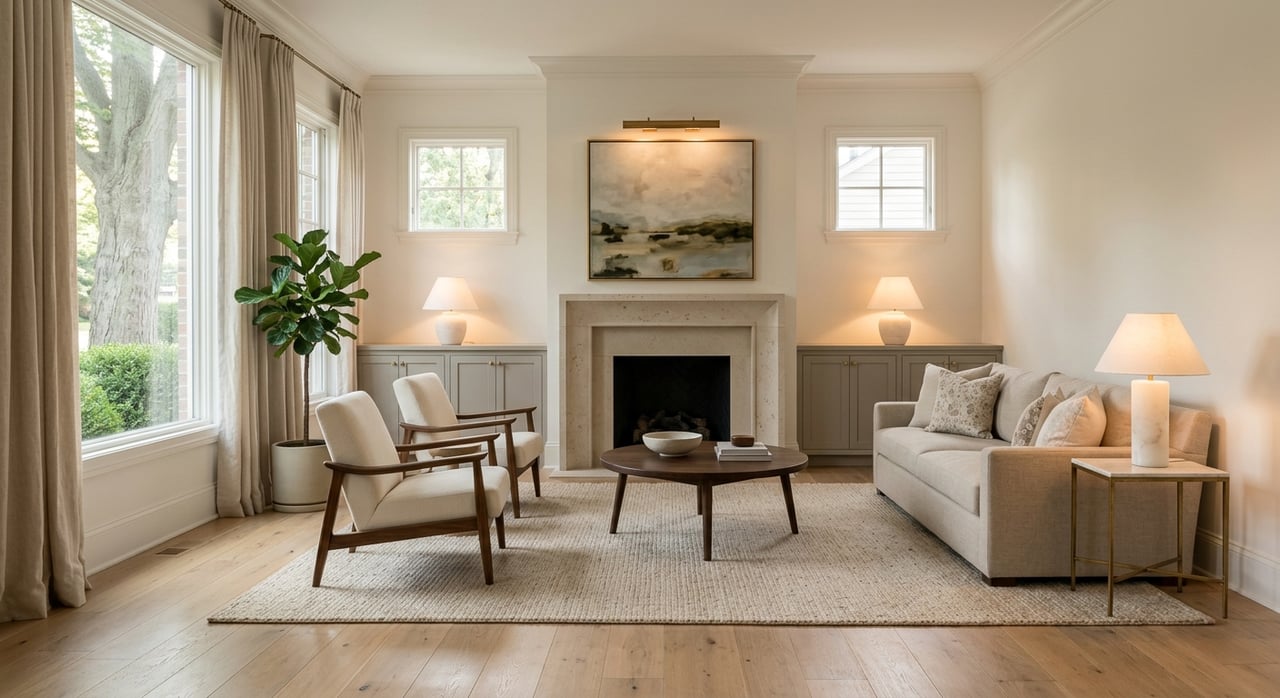
Newer homes usually appeal to buyers who want less early-stage friction. A home built to more current standards may offer better insulation, more efficient systems, and a floor plan that fits how many buyers live today.
Energy performance is part of that equation. The U.S. Department of Energy notes that many older homes have less insulation than homes built today, while ENERGY STAR says certified new homes are designed and built for stronger efficiency and performance from the start.
That does not mean every new home is automatically efficient or every older home is expensive to operate. It does mean newer homes often start with a stronger building envelope, while vintage homes may need upgrades to improve comfort and utility costs.
A vintage home may give you architectural detail and a sense of history that is hard to duplicate. A newer home may give you move-in ease, newer materials, and fewer immediate repairs.
Neither option is better for every buyer. The right choice depends on whether you value original character more than low-maintenance living, or whether you would rather avoid near-term projects and surprises.
With an older home, even a well-kept one, age alone can increase the odds that systems or finishes will need attention sooner. Roofs, drainage, foundations, plumbing, and electrical systems deserve close review because condition can vary widely from one property to the next.
With a newer home, the issues may be different rather than absent. Your focus may shift toward workmanship, completion quality, and whether the visible finishes are supported by proper permits and final approvals.
Newer homes often start ahead on insulation and overall energy performance. That can mean a smoother ownership experience in the early years.
Older homes may need insulation and other improvements, but they can still be upgraded over time. If you are buying vintage, it helps to budget for efficiency work rather than assume current operating costs will stay the same.
Some buyers assume a newer home will automatically have lower property taxes, but that is not how Cook County works. Residential property is assessed at 10% of fair market value, then adjusted based on the state equalizer, exemptions, and local tax rates.
Cook County also notes that the Homeowner Exemption saves an average owner about $950 per year, and that the exemption may be prorated for a newly constructed home that was not ready for occupancy until after January 1. In short, the actual tax bill depends on timing, valuation, and exemptions, not just whether the home is new or old.
If you are considering an older home, your due diligence should be especially disciplined. Illinois inspection standards require review of major visible components including exterior wall covering, exposed foundation, flashing, doors and windows, grading and drainage, roof covering and drainage systems, plumbing, and electrical systems.
For Wilmette buyers, that usually means paying close attention to these areas:
Attending the inspection can be especially useful in an older home. It gives you a chance to understand not only what is visible, but also what may be causing a problem behind the scenes.
Lead should be a real part of your review when buying a vintage property. The Illinois Department of Public Health advises buyers to have a home inspected for lead before buying and says that if a home was built before 1978, or if the build year is unknown, you should assume it has lead.
This is especially relevant in Wilmette because so much of the housing stock predates 1978. Federal disclosure rules also require buyers of most pre-1978 housing to receive known lead information and the opportunity for an independent lead inspection.
A newer home still deserves careful scrutiny. Fresh finishes can look polished, but buyers should confirm that the paperwork behind the home is just as clean as the visual presentation.
In Wilmette, permits are required for new construction and remodeling. Village permit materials say a site development plan must be approved before a permit is issued for demolition, new construction, additions to the building footprint, and detached garages.
The village also notes that work started without a permit can face a surcharge, and final inspection approval is tied to a certificate of occupancy. For buyers, that makes it important to verify permit history and final approvals, especially if the home is recently built or heavily renovated.
Age is not the only factor that matters. In Wilmette, some properties fall under local landmark or historic-district rules, and that can affect what you are allowed to change on the exterior.
The village says Wilmette has 38 local landmarks, 3 National Register historic districts, and 9 individual National Register properties. Local landmarks are protected by the Historic Preservation Ordinance, while National Register listing alone does not automatically prevent demolition or inappropriate alterations.
If a property is locally landmarked or located in a local historic district, exterior changes may require a Certificate of Appropriateness. That means your renovation plans should be part of your due diligence, especially if the home’s exterior character is a key reason you are buying it.
Once you understand the home’s condition, you can make a more informed offer. A home inspection contingency is often the tool that helps you translate risk into negotiation.
This contingency can allow you to move forward only if the inspection is satisfactory. It can also create room to negotiate repairs or a credit if the inspection uncovers serious issues.
In Wilmette, vintage homes often call for closer attention to health, safety, moisture, structural concerns, and aging systems. With newer homes, negotiations may focus more on finish quality, incomplete items, or confirming that permitted work was done correctly.
A vintage Wilmette home may be the better fit if you:
A newer Wilmette home may be the better fit if you:
The best choice is usually the one that matches your tolerance for maintenance, your renovation goals, and how hands-on you want to be after move-in.
If you are weighing new versus vintage in Wilmette, a calm, detailed buying process matters. The right home is not just about age. It is about condition, documentation, future flexibility, and how the property fits the way you want to live. If you want thoughtful guidance as you compare homes across the North Shore, Hasselbring Partners can help you evaluate the details with clarity and confidence.
Stay up to date on the latest real estate trends.
At Hasselbring Partners, we value relationships, both with clients and within the community. Flor's reputation and longstanding presence in the North Shore area attest to our dedication to building trust and delivering exceptional results. Complimented by Tracy's family's history in the community and his extensive career working on notable architectural projects across Chicago, we bring unique insight to the home buying and sales process. We believe in a no-pressure yet timely and effective sales approach, ensuring a positive experience for all involved. Please Join Us!